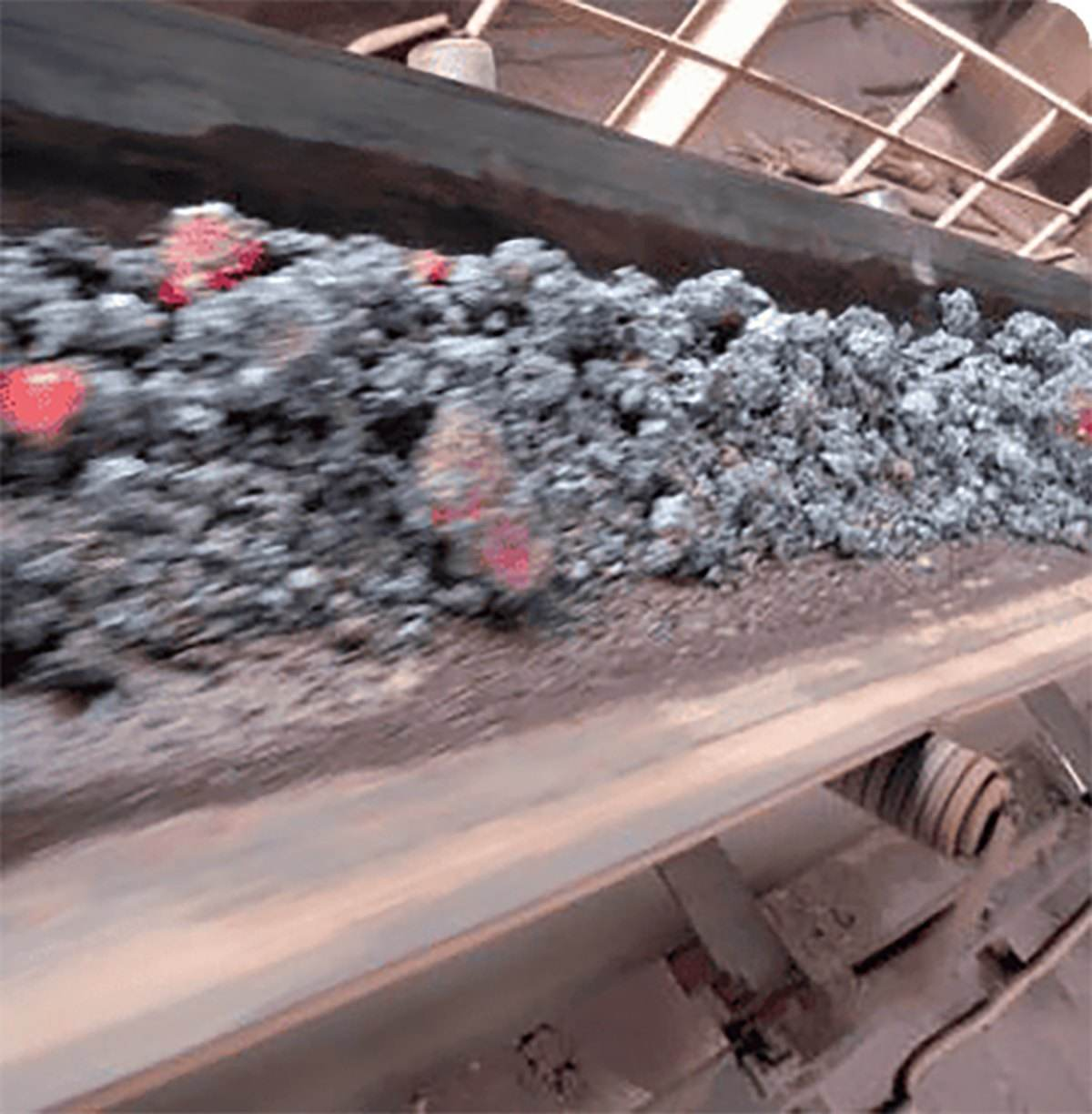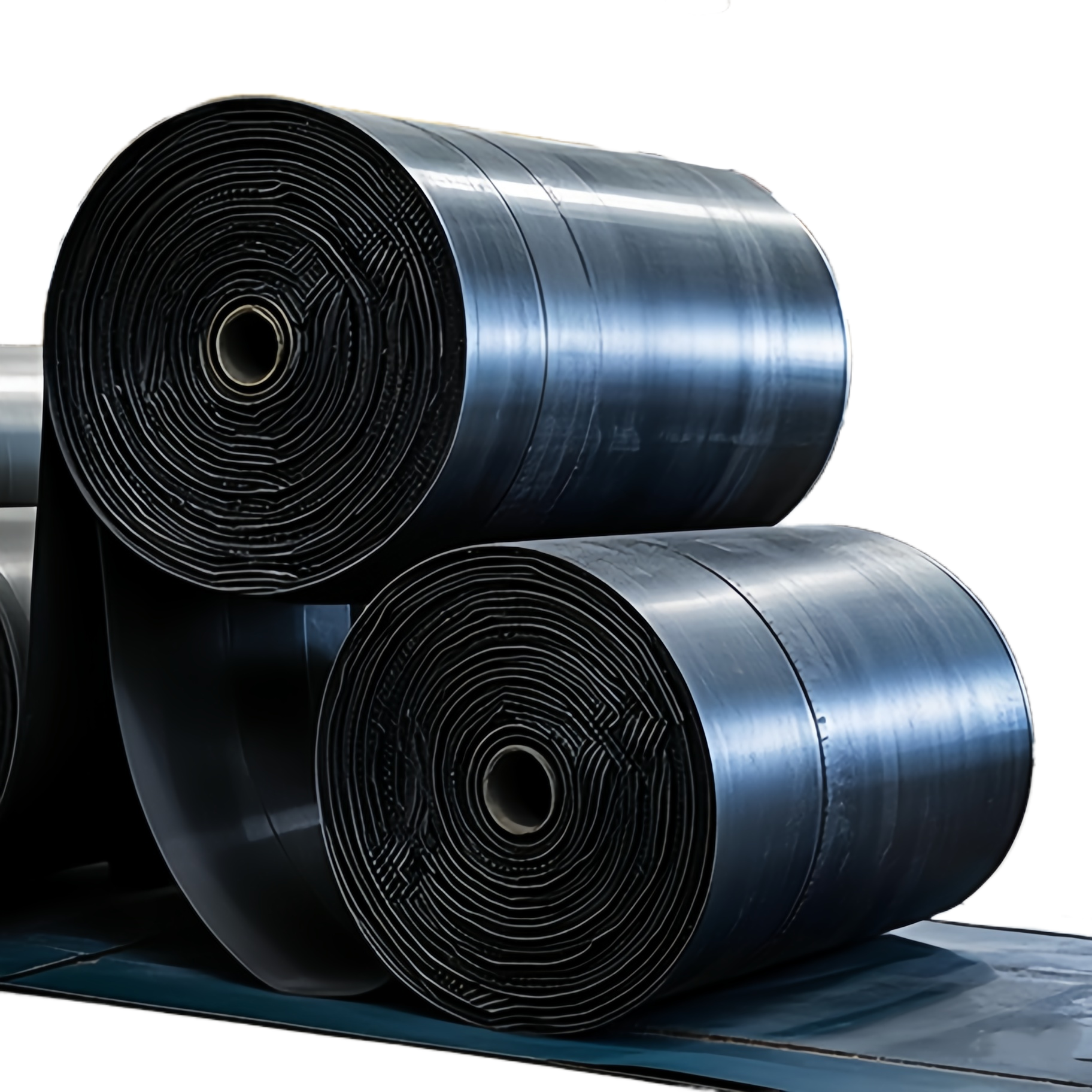
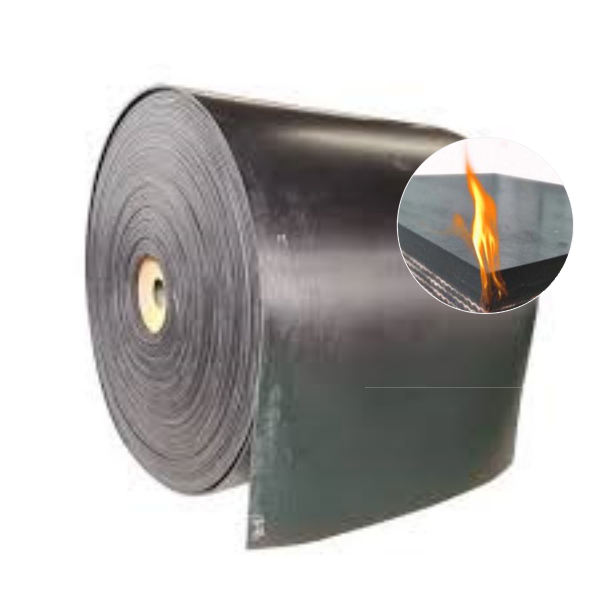
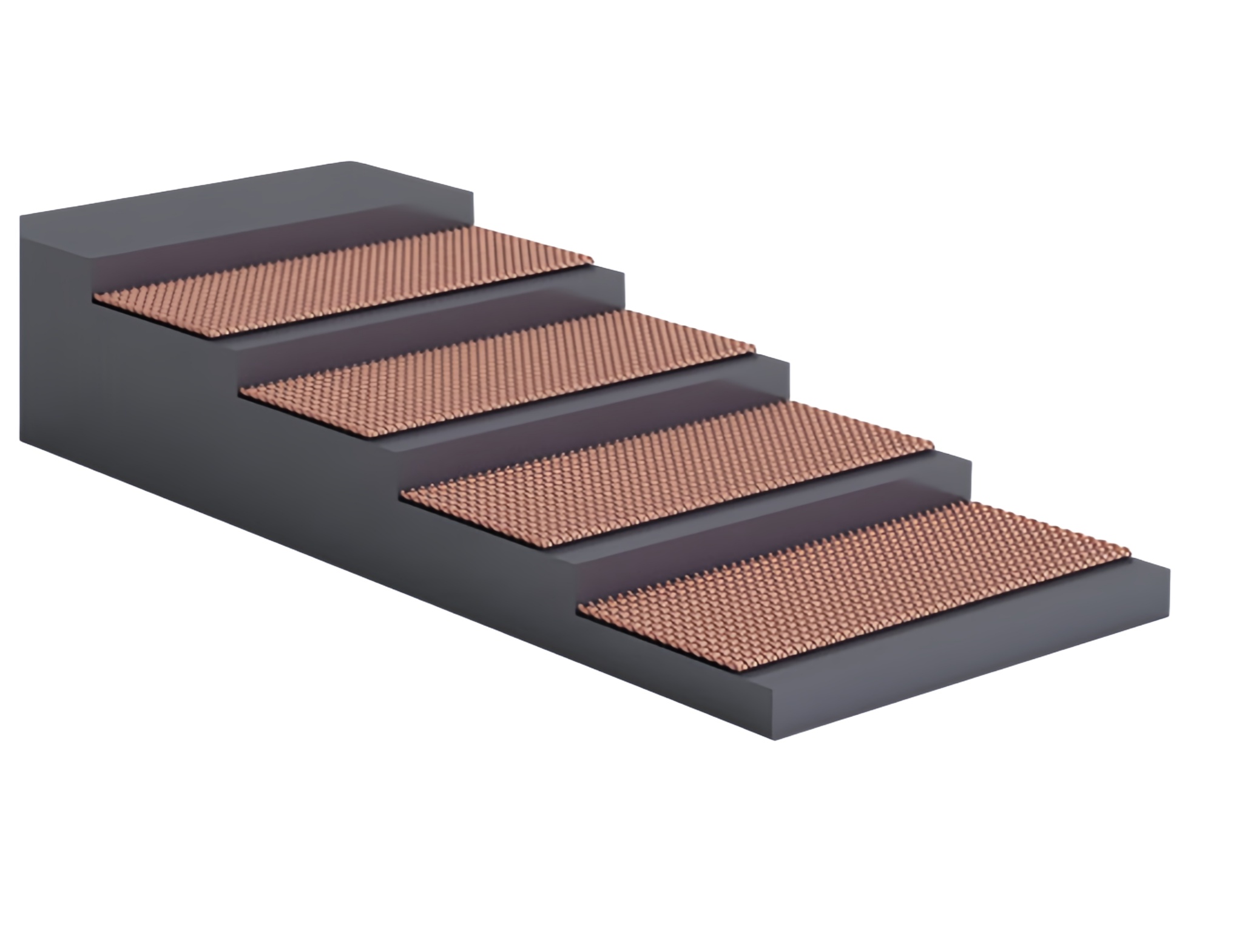
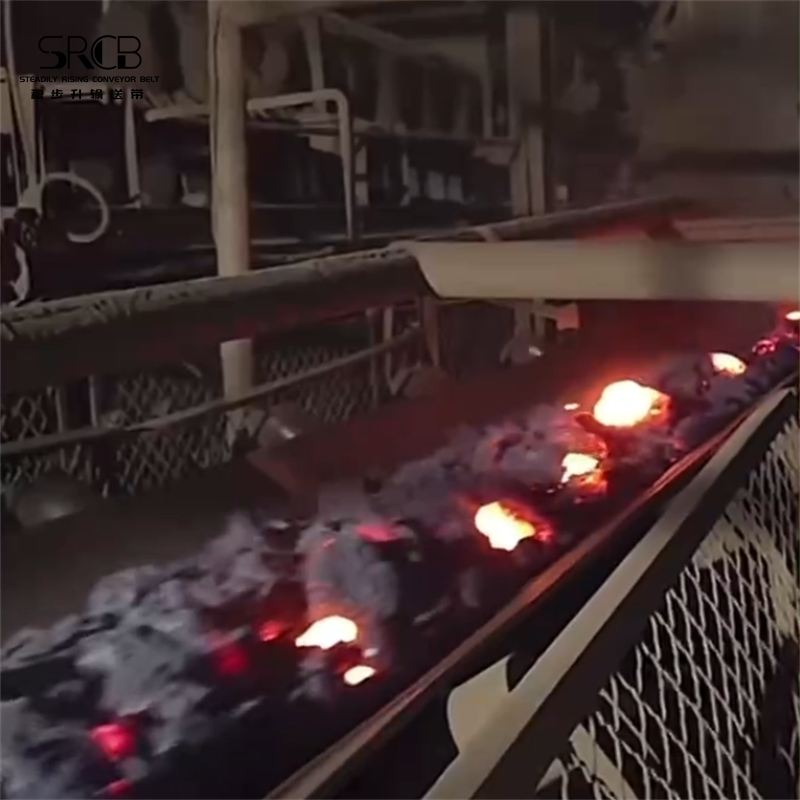
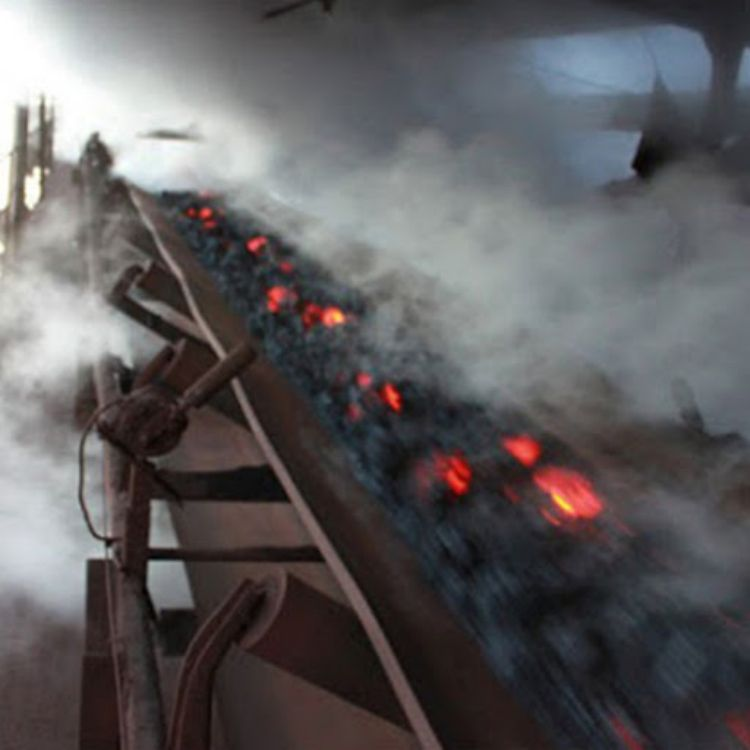
The high temperature resistant rubber conveyor belt is specifically engineered for transporting hot bulk materials in high-temperature industrial processes. It is constructed with multiple layers of high-strength heat-resistant fabric (such as EP or steel cord) and covered with specially formulated rubber compounds that maintain structural integrity and performance under extreme heat.
1.The high temperature resistant conveyor belt exhibits excellent heat resistance, maintaining its elasticity and tear resistance even when continuously exposed to high-temperature materials, ensuring reliable operation in demanding thermal environments.
2.It demonstrates minimal thermal elongation and high dimensional stability under heat and tension, providing consistent performance and reducing the need for frequent adjustments. This stability helps lower operational costs and is particularly advantageous for material handling in metallurgical, cement, and chemical industries.
3.The belt possesses outstanding heat-resistant properties, preventing hardening, cracking, or degradation of the rubber cover when transporting high-temperature materials. The strong bond between rubber layers remains intact, ensuring extended service life under thermal stress.
4.It offers superior resistance to heat aging, abrasion, and often chemicals, making it suitable for various industrial applications involving hot materials such as sintered ore, cement clinker, hot fertilizers, and foundry sand.
5.The high temperature resistant conveyor belt typically features a robust design with optimized layers. While potentially thicker than standard belts for insulation, it is engineered to minimize weight where possible, promoting energy efficiency and supporting complex conveying routes in high-heat settings.
6.The tensile strength of the heat-resistant cover rubber is high, often exceeding specified grades (e.g., >15 MPa), with required elongation at break and an abrasion loss typically lower than standard specifications (e.g., <150 mm³), ensuring durability against hot and abrasive materials.
7.The adhesive strength between fabric layers is exceptionally robust to withstand thermal cycling. The average peel strength between plies is high (e.g., ≥ 4.5 N/mm), and the adhesion between the special cover rubber and the fabric layer remains strong (e.g., > 4 N/mm) even after heat exposure.
8.The overall performance, including longitudinal tear resistance and full-thickness reference force elongation under elevated temperatures, meets or exceeds relevant international standards (e.g., ISO, DIN), guaranteeing safety and reliability for high-temperature applications.
Our high-temperature resistant conveyor belt features an EP fabric carcass with high modulus, low shrinkage, and exceptional tensile strength, combined with a specialized EPDM or chlorobutadiene rubber cover formulated for superior heat resistance. Precision-engineered through optimized rubber compounding, controlled assembly, and vulcanization processes, the belt undergoes special coating treatments to ensure maximum carcass adhesion.
Designed for continuous operation at temperatures up to 180°C with short-term exposure tolerance to 350°C, it Delivers minimal elongation, outstanding abrasion resistance, and reliable performance in demanding cement, metallurgical, and steel industry applications.
Application area
APPLICATION SCENARIOS
APPLICATION SCENARIOS